









Mind Over Market
The line between technology and human consciousness blurred irrevocably this year with the commercial release of the First Consumer Neurowearables Launch—advanced, non-invasive Brain-Computer Interfaces (BCIs) designed not for medical rehabilitation but for cognitive enhancement.
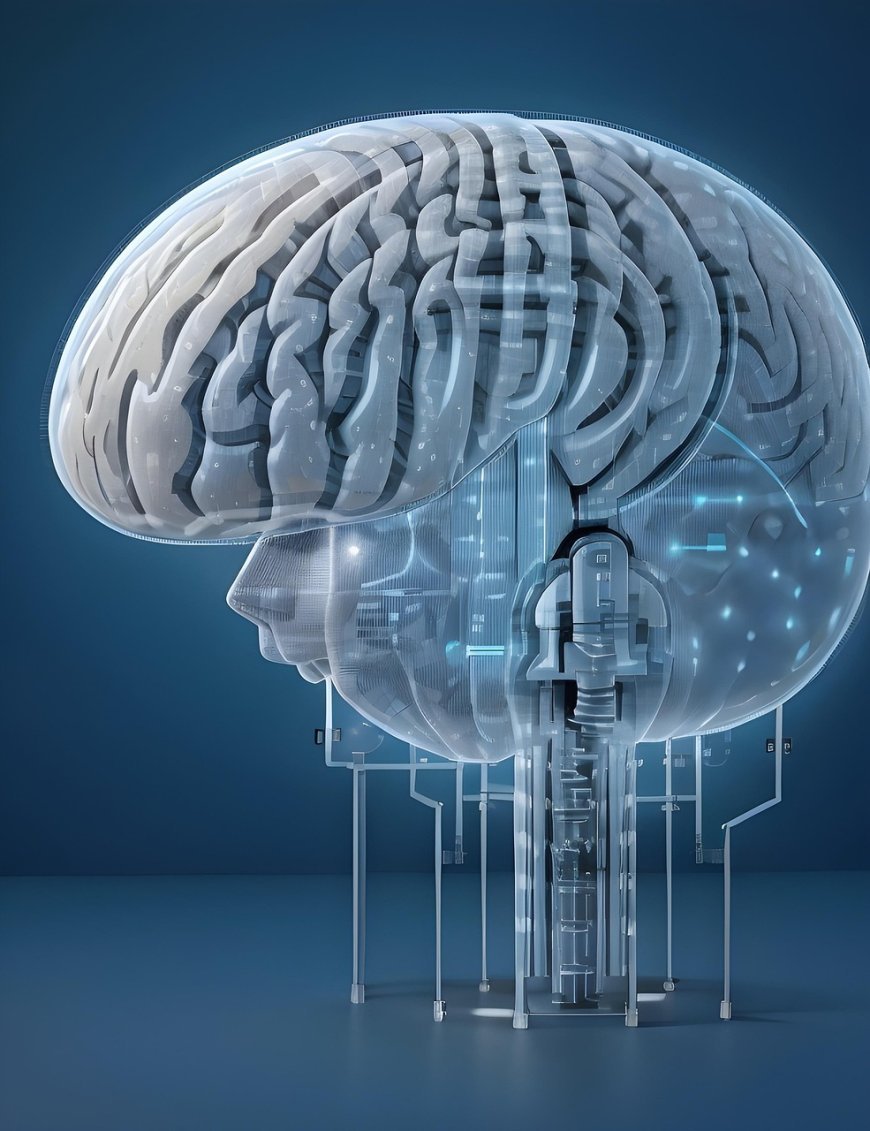
Moving beyond simple fitness trackers, these new devices offer capabilities promising memory enhancement, stress regulation, and deep focus regulation, positioning them as the ultimate productivity tool. However, this breakthrough instantly ignited a fierce global debate over neural data privacy and the future of human identity.
The Cognitive Revolution: First Consumer Neurowearables Launch
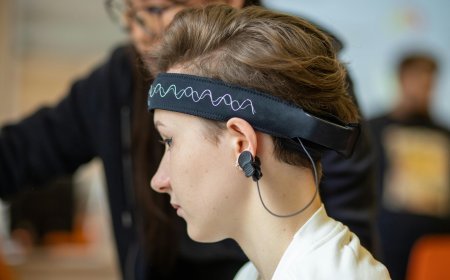
The newly launched devices, often appearing as sleek headbands, specialized headphones, or even stylish smart rings, utilize advanced Electroencephalography (EEG) and functional near-infrared spectroscopy (fNIRS) sensors. This allows the devices to non-invasively monitor, interpret, and subtly modulate brain activity.
The products are being marketed under the banner of Cognitive Enhancement Wearables, promising a direct and measurable impact on daily performance:
-
Focus Regulation: The device provides real-time neurofeedback, using audio or subtle haptic cues to help the user maintain a state of peak concentration (theta/beta brain waves).
-
Memory Recall: Certain devices claim to optimize brain states associated with memory consolidation during sleep or rest periods, leading to improved recall the following day.
-
Stress Mitigation: By detecting early signs of anxiety-related brainwave patterns, the device guides the user through real-time neurofeedback exercises to promote relaxation.
The rapid acceptance of these tools in the high-stakes world of finance and specialized technology has placed Consumer Brain-Computer Interface technology at the forefront of Productivity Technology Trends 2026.
The Intimate Battle: Neural Data Privacy
The extraordinary capabilities of these devices have simultaneously raised the most profound Ethical Implications of BCI to date. Unlike fitness trackers that monitor heart rate or steps, these devices record the most intimate, non-verbal data: raw neural signals, cognitive states, attention levels and even emotional psyc responses. This collection of Neural Data Privacy is rapidly becoming the next great battleground for individual rights.
-
The Problem of Inference: Companies can potentially infer mental states, political leanings, or predispositions to certain conditions based on brain activity patterns—data far more sensitive than browsing history or location.
-
Legal Lacuna: Existing data protection laws, such as GDPR in Europe or the CCPA in the US, were drafted before the commercial viability of Consumer Brain-Computer Interface technology. Legal experts argue that current definitions of "health data" or "biometric data" may not fully cover the complexity and sensitivity of raw neural signals, creating a huge loophole.
The Ethical Implications of BCI
Beyond privacy, the First Consumer Neurowearables Launch raises critical questions about equity and societal pressure. The immediate worry is the creation of a "cognitive divide," where access to Cognitive Enhancement Wearables becomes necessary for educational, professional or social success.
-
The Workplace: If corporations begin offering or even subtly encouraging the use of these devices to "optimize" employee focus, how will employees who decline be treated? Does the pressure to use these tools erode the right to mental autonomy?
-
The Future of Personhood: The deepest Ethical Implications of BCI concern the nature of personhood. If external devices can subtly adjust our emotional regulation or influence cognitive states, where does human agency begin and technological influence end?
The sheer market demand for these tools is undeniable, cementing Consumer Brain-Computer Interface technology as a major force in Productivity Technology Trends 2026. However, without immediate, BCI-specific legislation to secure Neural Data Privacy and prevent systemic coercion, this technological leap risks opening a dystopian chapter in human-computer interaction.
What's Your Reaction?
 Like
0
Like
0
 Dislike
0
Dislike
0
 Love
0
Love
0
 Funny
0
Funny
0
 Angry
0
Angry
0
 Sad
0
Sad
0
 Wow
0
Wow
0