




Psychological Analysis: The Frontiers of Advanced Psychoanalysis and Modern Psyc
Dive deep into the science of Psychological Analysis. Explore advanced Psyc theories, from Lacanian psychoanalysis to neuropsychoanalysis and the secrets of the unconscious mind.
In the evolving landscape of mental health science, the term Psyc has transitioned from a mere academic abbreviation to a holistic descriptor for the rigorous study of the human condition. A deep Psychological Analysis serves as the backbone of this exploration, moving beyond surface-level symptoms to uncover the intricate tapestries of the unconscious mind. This article explores the advanced realms of psychoanalytic theory, the methodology of Psyc research, and the future of psychological inquiry.
1. The Metapsychology of Psyc: Beyond the Basics
At its core, an advanced Psychological Analysis (Psyc) is not concerned simply with what a person does, but why the internal architecture of their mind compels them toward specific patterns. Traditional psychoanalysis, pioneered by Freud, gave us the structural model of the Id, Ego, and Superego. However, modern Psyc practitioners have expanded these boundaries.
The Transition to Object Relations
Advanced Psyc now emphasizes Object Relations Theory. This branch of psychological analysis suggests that our "Psyc" is shaped primarily by our early relationships (objects). If a primary caregiver was inconsistent, the internal Psyc map of the individual may develop "splitting"—a defense mechanism where people are viewed as either "all good" or "all bad."
Self Psychology and the Psyc-Self
In the realm of advanced Psyc, Heinz Kohut’s Self Psychology introduced the concept of "self-objects". Psychological analysis in this framework focuses on how individuals use others to maintain their own sense of self-esteem and internal Psyc-cohesion. Without proper "mirroring" in childhood, a person’s Psyc may struggle with fragmentation throughout adulthood.
2. The Language of the Unconscious in Psychological Analysis
A defining feature of an advanced Psyc approach is the belief that the unconscious mind has a language of its own. Psychological analysis is the "translation" of that language.
Lacanian Psyc: The Symbolic and the Real
Jacques Lacan pushed the boundaries of Psyc by asserting that "the unconscious is structured like a language". In Lacanian psychological analysis, we look at three orders:
-
The Imaginary: The realm of images and self-identifications.
-
The Symbolic: The realm of social rules, language, and the "Law of the Father".
-
The Real: That which escapes language—the raw, often traumatic, core of our Psyc.
3. Advanced Defense Mechanisms in Psyc
While everyone is familiar with "denial" or "projection," an advanced Psychological Analysis delves into more complex Psyc maneuvers that protect the ego from anxiety.
Projective Identification
This is a sophisticated Psyc process where an individual doesn't just project a feeling onto someone else, but actually induces that feeling in the other person. For example, a patient may feel incompetent and, through their behavior, cause their Psyc analyst to feel incompetent as well. Identifying these "Psyc-loops" is critical for successful clinical outcomes.
Sublimation and Psyc-Growth
Not all defense mechanisms are "negative". Sublimation is the Psyc process of transforming primitive impulses into socially productive activities, such as art or science. A robust psychological analysis identifies these strengths to foster long-term mental resilience.
4. The Analytical Relationship: Transference and Countertransference
In the clinical setting of Psyc, the relationship between the subject and the analyst is the primary tool for discovery.
-
Transference: When the patient redirects feelings for significant figures from their past onto the Psyc professional.
-
Countertransference: The analyst’s own emotional reaction to the patient. In advanced psychological analysis, countertransference is not seen as a mistake but as a vital Psyc data point that reveals the patient's internal world.
5. Neuropsychoanalysis: The Intersection of Psyc and the Brain
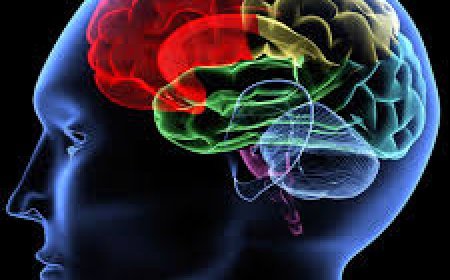
The most modern frontier of psychological analysis is Neuropsychoanalysis. This field attempts to map Psyc theories onto biological brain structures.
| Psyc Concept | Biological Correlate | Function |
| The Id | Limbic System / Brainstem | Raw drive, emotion, and survival. |
| The Ego | Prefrontal Cortex | Executive function, logic, and regulation. |
| The Superego | Dorsolateral Prefrontal Cortex | Moral judgment and social standards. |
| Repression | Anterior Cingulate Cortex | The "filtering" of intrusive or painful Psyc thoughts. |
By combining a deep Psychological Analysis with fMRI data, researchers can see how talk therapy actually changes the Psyc-chemistry of the brain, leading to "biological" healing through "psychological" means.
6. The Methodology of Advanced Psyc Research
To maintain the rigor of Psyc as a science, psychological analysis must adhere to strict methodological standards.
-
Qualitative Depth: Using long-form interviews and case studies to capture the nuance of the human Psyc.
-
Quantitative Validation: Using psychometric testing (like the MMPI or Big Five) to provide a data-backed Psychological Analysis.
-
Hermeneutics: The science of interpretation. In Psyc, this means looking at the "hidden meanings" behind dreams, slips of the tongue (Freudian slips), and creative works.
7. Psychological Analysis in the Digital Age
The modern Psyc is under unique pressure. The rise of social media and AI has altered our internal Psychological Analysis of "the self."
-
The Digital Mirror: How social media acts as a collective "mirroring" device, often leading to Psyc-fragility.
-
AI and Psyc: Can an algorithm perform a Psychological Analysis? While AI can identify patterns in speech, many argue it lacks the "intersubjectivity" (the shared Psyc-space between two humans) required for true psychoanalysis.
8. Conclusion: The Future of Psyc
The field of Psychological Analysis is moving toward an integrative model. By combining the depth of 20th-century psychoanalysis with the precision of 21st-century neuroscience, Psyc offers a comprehensive way to understand the human soul. Whether through clinical practice, academic research, or self-reflection, the journey of Psyc remains the most important "frontier" we have left to explore.
FAQ/PAA (People Also Ask) About Psyc and Psychological Analysis
1. What is the difference between Psyc and psychiatry?
Psychiatry is a medical field focused on the biological and chemical aspects of mental illness, often involving medication. Psyc (Psychology/Psychological Analysis) focuses on behavior, mental processes, and talk-based therapies to understand the mind's internal workings.
2. How long does a deep Psychological Analysis take?
Traditional psychoanalysis can take years, with multiple sessions per week. However, modern Psyc approaches like "Brief Psychodynamic Therapy" can provide a targeted Psychological Analysis in 12 to 20 sessions.
3. Is "Psyc" just a shorthand for psychology?
Yes, in academic and professional contexts, Psyc is the standard abbreviation. However, it also represents the broader scientific study of the "psyche" or the human soul.
4. Can I perform a Psychological Analysis on myself?
While self-reflection is helpful, a true Psychological Analysis usually requires an "objective other." Our own Psyc-defenses often blind us to our deepest patterns, making a professional analyst necessary.
5. What is the "unconscious" in modern Psyc?
In modern Psyc, the unconscious is seen as a repository of memories, impulses, and "scripts" that operate outside of our immediate awareness but dictate our daily choices.
6. Are Freudian theories still relevant in advanced Psyc?
While many of Freud's specific theories (like the Oedipus Complex) are debated, his core discovery—that our Psyc is influenced by unconscious forces and early childhood—remains the bedrock of Psychological Analysis.
7. What is "Cognitive Psyc" versus "Analytic Psyc"?
Cognitive Psyc focuses on conscious thought patterns and problem-solving. Analytic Psyc (or psychoanalysis) focuses on the deep, unconscious roots of behavior.
8. How does trauma affect the Psyc?
Trauma can "fracture" the Psyc, causing a person to get stuck in certain developmental stages or develop hyper-vigilant defense mechanisms. Psychological Analysis helps integrate these traumatic memories back into a cohesive self.
9. What are "Psyc-tests"?
These are standardized tools used during a Psychological Analysis to measure personality traits, intelligence, or mental health status. Examples include the Rorschach Inkblot test or the Myers-Briggs Type Indicator (MBTI).
10. Why is Psychological Analysis considered SEO important?
In a digital world, understanding the "Psyc" of the consumer—their motivations, fears, and desires—allows businesses to create content that truly resonates on a human level, rather than just hitting keywords.
What's Your Reaction?
 Like
0
Like
0
 Dislike
0
Dislike
0
 Love
0
Love
0
 Funny
0
Funny
0
 Angry
0
Angry
0
 Sad
0
Sad
0
 Wow
0
Wow
0