




Modern Psyc Tech: Reshaping Psychological Care
Discover how Modern Psyc Tech is transforming mental health. From AI-driven diagnostics and VR exposure therapy to wearable biometrics, explore the future of Psyc and psychological analysis.
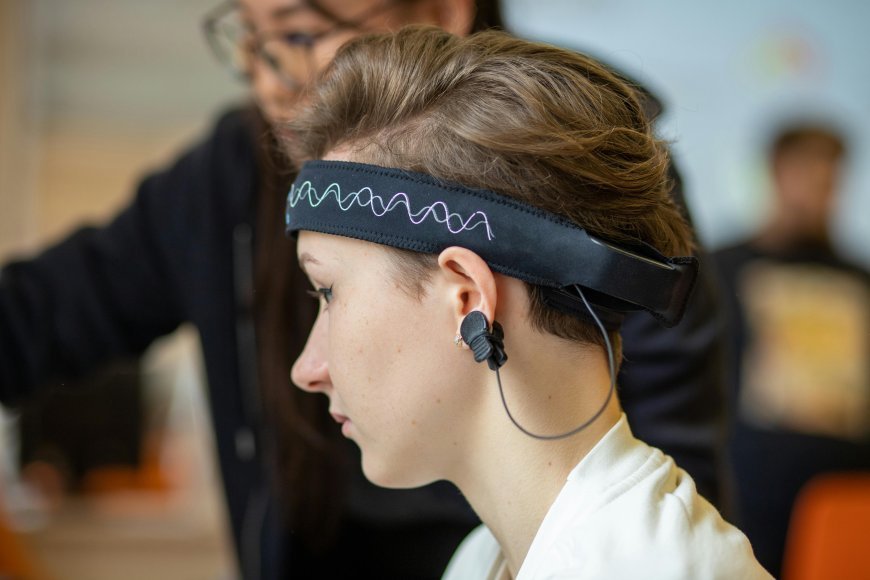
The landscape of psychological health is undergoing a radical transformation. What was once a field defined by the "couch and notepad" is now being revolutionized by Modern Psyc Tech. By integrating cutting-edge hardware and sophisticated software, the study and application of Psyc are becoming more precise, accessible, and data-driven than ever before.
1. Virtual Reality Exposure Therapy (VRET)
One of the most powerful applications of Modern Psyc Tech is the use of Virtual Reality (VR) to treat anxiety disorders and PTSD. In traditional Psyc, patients are asked to imagine their fears—a process known as imaginal exposure. VRET takes this a step further by placing the patient in a controlled, immersive 3D environment.
Clinical Benefits:
-
Controlled Desensitization: Therapists can adjust the intensity of the "fear triggers" in real-time.
-
Safety: Patients can confront phobias (like fear of flying or heights) without leaving the office.
-
Presence: The immersive nature of VR tricks the Psyc-biological system into responding as if the situation were real, allowing for deeper emotional processing.
2. Wearable Biometrics and "Passive Psyc"
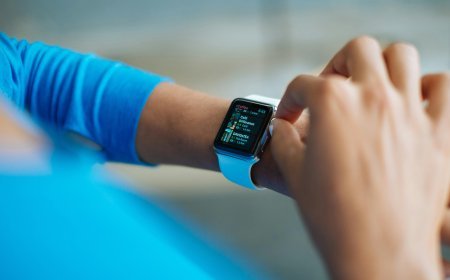
The rise of wearable technology has allowed for the continuous monitoring of a person's physiological state. Modern Psyc tech—such as smartwatches and rings—can now track markers that directly correlate with mental health.
-
Heart Rate Variability (HRV): A key indicator of the autonomic nervous system. Low HRV is often linked to high stress and emotional exhaustion in Psyc research.
-
Electrodermal Activity (EDA): Measures skin conductance, which spikes during moments of intense emotional arousal or anxiety.
-
Sleep Architecture: Tech that tracks REM cycles provides vital data for Psychological Analysis, as sleep disruption is a primary symptom of many Psyc conditions.
3. Artificial Intelligence and Predictive Analytics
AI is no longer a futuristic concept; it is a foundational pillar of Modern Psyc Tech. Large Language Models (LLMs) and machine learning algorithms are being trained to recognize patterns that human observers might miss.
| Tech Feature | Psyc Application | Potential Impact |
| Sentiment Analysis | Scanning text for markers of depression or self-harm. | Early intervention and suicide prevention. |
| AI Chatbots | Providing 24/7 CBT-based support (e.g., Woebot). | Bridging the gap in mental health accessibility. |
| Predictive Modeling | Analyzing history to predict "relapse" episodes. | Proactive rather than reactive Psyc care. |
4. Neurotechnology: TMS and Brain-Computer Interfaces
Advanced Psyc tech is also moving into the realm of direct brain stimulation. Transcranial Magnetic Stimulation (TMS) is a non-invasive procedure that uses magnetic fields to stimulate nerve cells in the brain to improve symptoms of depression.
The Future of BCIs
Brain-Computer Interfaces (BCIs) are the "final frontier" of Psyc Tech. While currently used mostly for physical paralysis, researchers are exploring how BCIs can help regulate severe mood disorders by sending targeted electrical impulses to specific brain regions associated with reward and regulation.
5. The Ethical Safeguards of Psyc Tech
As we embrace these innovations, the Psyc community faces significant questions regarding data privacy and the "human" element of therapy.
-
Data Security: How is sensitive Psyc-biometric data protected from hackers or insurance companies?
-
The "Uncanny Valley": Can a machine truly empathize? Many believe that while tech can provide data, the "therapeutic alliance"—the bond between human and therapist—is the core of Psyc healing.
-
Algorithmic Bias: Ensuring that AI tools are trained on diverse datasets to prevent biased Psychological Analysis of minority populations.
Modern Psyc Tech is not intended to replace the therapist, but to empower them with "superpowers" of observation and intervention. From VR worlds that heal trauma to wearables that predict panic attacks, the fusion of technology and Psyc is creating a more resilient, proactive, and mentally healthy society.
10 FAQ/PAA About Modern Psyc Tech
1. Is "Psyc Tech" safe for children?
Yes, many tools like VR and biofeedback are used with children, particularly for ADHD and autism spectrum disorders, but they should always be used under professional supervision.
2. Can an app provide a full Psychological Analysis?
No. While apps can track moods and provide insights, a comprehensive Psychological Analysis requires a licensed professional to interpret the data within the context of your life history.19
3. What is "Tele-Psyc"?
Tele-Psyc refers to psychological services provided via video conferencing. It is the most common form of Modern Psyc Tech today.
4. How does VR help with PTSD?
VRET allows veterans and trauma survivors to revisit the traumatic memory in a safe environment, helping the brain "re-file" the memory as a past event rather than a current threat.
5. Are Psyc-bots as effective as real therapists?
Research suggests they are effective for mild anxiety and habit tracking, but they lack the deep emotional intelligence required for complex Psychological Analysis.
6. Does insurance cover TMS?
Many insurance providers now cover TMS for treatment-resistant depression, acknowledging it as a validated piece of Modern Psyc Tech.
7. What is "Digital Phenotyping"?
It is the process of using smartphone data (typing speed, GPS, app usage) to create a "digital thumbprint" of your mental health.
8. Can tech help with meditation?
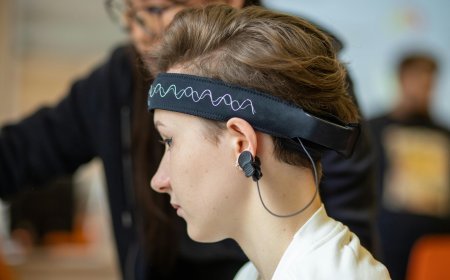
Yes. Devices like Muse use EEG sensors to provide realtime audio feedback on your brainwaves, helping you stay in a "calm" state.
9. What is the biggest risk of Psyc Tech?
The biggest risk is the potential for data breaches and the over-reliance on technology at the expense of human connection.
10. How can I start using Psyc Tech?
You can start with simple mood-tracking apps or wearables, but for clinical tools like VR or TMS, you should consult a professional specializing in Psyc Tech.
What's Your Reaction?
 Like
0
Like
0
 Dislike
0
Dislike
0
 Love
0
Love
0
 Funny
0
Funny
0
 Angry
0
Angry
0
 Sad
0
Sad
0
 Wow
0
Wow
0