




The Future of Instantaneous Psyc
Explore the evolution of Realtime Psychoanalysis. Discover how digital phenotyping and biofeedback are revolutionizing the future of instantaneous Psyc and psychological analysis.

In the traditional landscape of mental health, psychoanalysis has long been viewed as the "slow science." Standard Psychological Analysis often involves years of sessions, slowly peeling back the layers of the unconscious mind. However, a new paradigm is shifting the field: Realtime Psychoanalysis. By integrating modern technology, biological data, and immediate feedback loops, the study of Psyc is moving from the historical past into the absolute present.
1. Defining Realtime Psychoanalysis in Modern Psyc
Realtime Psychoanalysis is the application of psychoanalytic principles to the immediate, "here-and-now" data of a person’s life. Unlike traditional methods that rely heavily on the patient’s memory of past events, this advanced Psyc approach utilizes live data—ranging from physiological markers to digital footprints—to provide an instantaneous Psychological Analysis.
At its core, this method seeks to close the gap between an unconscious impulse and the conscious realization of that impulse. In the world of Psyc, this is often referred to as "short-circuiting" a defense mechanism before it has the chance to fully solidify.
2. The Technological Catalysts of Realtime Psyc
The transition to a "realtime" model would be impossible without the digital revolution. Several key technologies are currently being integrated into the Psyc toolkit to facilitate immediate Psychological Analysis.
Digital Phenotyping
Digital phenotyping is the "realtime" collection of passive sensor data from smartphones and wearables. By analyzing typing speed, voice inflection, physical activity, and sleep patterns, Psyc researchers can create a live map of a person’s internal state.
-
Linguistic Analysis: Algorithms can detect "Psyc-markers" in text, such as an increase in first-person singular pronouns (I, me, mine), which often correlates with a depressive shift.
-
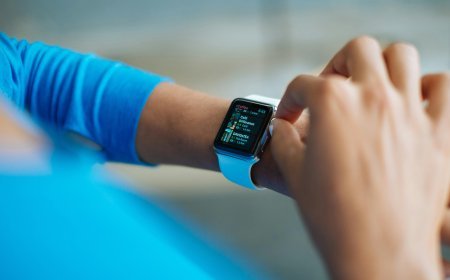
Arousal Monitoring: Smartwatches tracking heart-rate variability (HRV) can alert a patient and their analyst to a spike in anxiety before the patient even feels the physical "panic."
Ecological Momentary Assessment (EMA)
In Realtime Psychoanalysis, patients participate in EMA, which involves reporting their thoughts and feelings in situ (in their natural environment) rather than waiting for their weekly Psyc appointment. This reduces "recall bias" and provides a more accurate Psychological Analysis of daily triggers.
3. The Here-and-Now: Synchronous Transference
In traditional Psyc, transference (the redirection of feelings from a parent to the therapist) takes months to identify. In Realtime Psychoanalysis, the focus is on the Synchronous Transference.
The analyst pays hyper-attention to the immediate micro-expressions and shifts in the "Psyc-space" during the session. By commenting on these shifts as they happen, the Psychological Analysis becomes a live experiment.
Example: If a patient's voice lowers when mentioning a deadline, the Psyc professional may intervene immediately: "Notice how your voice just changed. What is the Psyc-weight of that deadline right now?"
4. Biofeedback and the Neuro-Psyc Loop
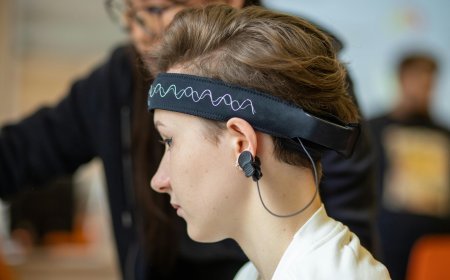
A significant portion of advanced Psyc research is now dedicated to biofeedback. By using EEG (electroencephalogram) or fMRI in realtime, clinicians can show patients their own brain activity.
| Tool | Realtime Psyc Function | Outcome |
| Neurofeedback | Monitoring Alpha/Theta waves. | Improved emotional regulation. |
| GSR (Galvanic Skin Response) | Measuring skin conductance (sweat). | Immediate identification of hidden stressors. |
| Eye-Tracking | Following gaze patterns. | Identifying subconscious avoidant behaviors. |
This biological Psychological Analysis allows the patient to "see" their unconscious mind in action, making the abstract concepts of Psyc tangible and actionable.
5. Methodology: The "In-Vivo" Psychological Analysis
How does one actually perform a Realtime Psychoanalysis? The methodology differs significantly from the "blank screen" approach of early Freudian work.
-
Immediacy: The analyst prioritizes current feelings over historical narratives.
-
Interactive Feedback: The Psyc professional shares their own "countertransference" (internal reactions) more freely to help the patient see their impact on others in real-time.
-
Data Integration: Reviewing "Psyc-data" from the patient’s week (wearable charts, mood logs) during the session to find patterns that the patient’s ego might have repressed.
6. Challenges and Ethics in Realtime Psyc
While the prospect of instant Psychological Analysis is exciting, it brings significant ethical hurdles to the Psyc community.
The Problem of "Psyc-Surveillance"
If an analyst has access to a patient’s realtime heart rate or GPS data, does that cross a boundary? The "sanctity" of the Psyc session relies on the patient’s autonomy. Constant monitoring could lead to a "panopticon effect," where the patient feels watched rather than heard, potentially damaging the therapeutic alliance.
Information Overload
Too much data can hinder a Psychological Analysis. If a Psyc professional is bogged down by thousands of data points, they may lose the "human" element of the analysis—the empathy, the intuition, and the shared silence that are vital to healing.
7. The Impact on Personality Disorders
Realtime Psychoanalysis has shown particular promise in treating "Cluster B" personality disorders (such as Borderline Personality Disorder). These conditions are characterized by rapid shifts in mood and intense interpersonal conflict.
By providing a Psychological Analysis in the moment of crisis—perhaps via a secure messaging app or a "Psyc-bot" trained in the patient's specific history—individuals can learn to pause before acting on impulsive urges. This "interstitial intervention" is the hallmark of modern, high-tech Psyc.
The New Frontier of Psyc
We are entering an era where Psychological Analysis is no longer a retrospective exercise. Realtime Psychoanalysis represents a fusion of the deep, soulful inquiry of the past with the high-velocity data of the future. As we refine these Psyc tools, we move closer to a world where mental health support is not just a scheduled hour once a week, but a continuous, living dialogue between the conscious and unconscious mind.
10 FAQ/PAA (People Also Ask) About Realtime Psychoanalysis
1. Is Realtime Psychoanalysis the same as crisis counseling?
No. While both happen in the moment, crisis counseling is about stabilization. Realtime Psychoanalysis uses the moment to perform a deep Psychological Analysis of unconscious patterns to create long-term Psyc change.
2. Can AI perform a Psychological Analysis in realtime?
AI is currently used to track patterns and provide "Psyc-alerts," but most experts agree that a true Psychological Analysis requires human intersubjectivity—the shared emotional experience between two people.
3. What are the benefits of "Realtime Psyc"?
The main benefits include faster identification of triggers, reduced reliance on potentially inaccurate memories, and more immediate emotional relief.
4. Does "Psyc" technology replace the therapist?
Not at all. Technology is a tool that enhances the Psychological Analysis. It provides the "data," but the human analyst provides the "meaning."
5. How does neurofeedback fit into a Psychological Analysis?
Neurofeedback provides a live biological view of the Psyc. It allows patients to see when their brain is in a state of "fight or flight," helping them learn to regulate their nervous system in realtime.
6. Is Realtime Psychoanalysis more expensive?
Currently, it can be, due to the cost of wearables and specialized Psyc software. However, as these tools become more common, the cost of a high-level Psychological Analysis is expected to decrease.
7. Can I use a smartwatch for my own Psyc-tracking?
Yes. Many people use HRV (heart rate variability) and sleep tracking to perform a basic Psychological Analysis of their own stress levels, though this should not replace professional Psyc care.
8. What is "Micro-Analysis" in Psyc?
Micro-analysis involves looking at split-second video frames of a patient’s face to identify "micro-expressions" of suppressed emotions during a Psychological Analysis.
9. Is this approach used for PTSD?
Yes. Realtime Psyc interventions are highly effective for PTSD, as they help patients ground themselves in the present moment when a "flashback" trigger is detected by physiological sensors.
10. How do I find a professional who does Realtime Psychological Analysis?
Look for practitioners who specialize in "Modern Psychoanalysis," "Intensive Short-Term Dynamic Psychotherapy (ISTDP)," or "Neuropsychoanalysis." These fields are the most likely to use realtime Psyc methods.
What's Your Reaction?
 Like
0
Like
0
 Dislike
0
Dislike
0
 Love
0
Love
0
 Funny
0
Funny
0
 Angry
0
Angry
0
 Sad
0
Sad
0
 Wow
0
Wow
0