


The New Psyc Drivers of Human Behavior 2026
Discover the primary psyc trends of 2026. From AI-integrated mental health to the "Slow Attention" movement, we review the psychological shifts defining this year.
Welcome to Wordings.com, where we bridge the gap between human intuition and scientific discovery.
The term psyc is no longer just a shorthand for a field of study; it is the fundamental operating system for how we interact with technology, each other, and ourselves in 2026. This comprehensive guide explores the deep psychological shifts occurring this year, providing an expert-level review of the "Future Mind."
The Psyc Evolution: Why 2026 is Different
For decades, psychology focused on understanding the past to fix the present. In 2026, the psyc landscape has turned its gaze toward the future. We are living in the era of Predictive Psychology, where our digital environments are designed to anticipate our emotional needs before we even feel them.
1. The Rise of "Continuous Care" Systems
In 2026, the traditional 50-minute therapy hour is being replaced by "Always-On" support. The psyc community has shifted toward a model of continuous, micro-interventions.
-
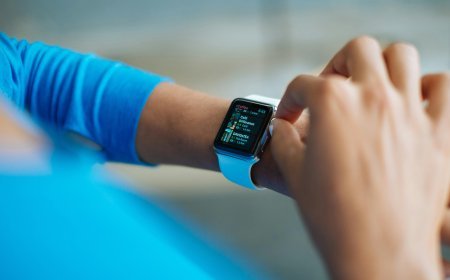
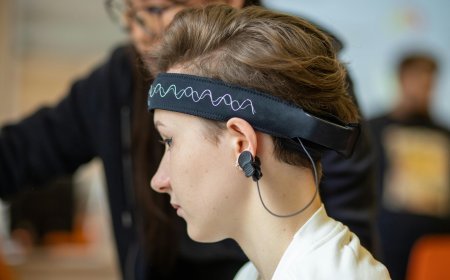
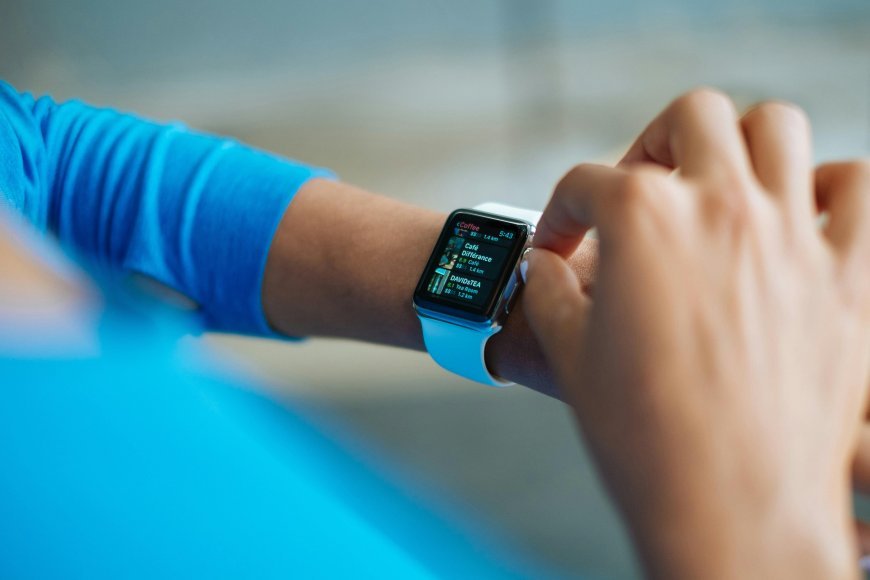
The Mechanism: Biometric wearables track heart rate variability (HRV) and cortisol markers. When stress spikes, your digital environment (lighting, music, and notifications) adjusts automatically to provide a "nervous system nudge."
-
The Impact: This reduces the cognitive load of self-regulation, making mental health a background process rather than a chore.
2. AI Anxiety vs. AI Collaboration
The most significant psyc hurdle of 2026 is the reconciliation of human identity with artificial intelligence. "AI Anxiety"—the fear of being replaced or losing the "human spark"—is a dominant theme in clinical research this year.
-
The Trend: Successful individuals are moving from AI-automated work to AI-augmented creativity.
-
Psychological Shift: We are learning that while AI can replicate patterns, it cannot replicate Intentionality. The "psyc" of 2026 emphasizes the human as the "Editor-in-Chief" of their own life.
Core Psyc Trends: The 2026 Review
A. The "Slow Attention" Movement
In a world optimized for 15-second clips, the brain has begun to rebel. One of the top psychology trends of 2026 is the radical return to "Slow Attention".
"Our brains need time to make unexpected connections. Depth and authenticity have become the most irreplaceable assets of the human mind in an age of replication."
Neuroscience shows that the brain’s Default Mode Network (DMN)—the part that activates during rest—is the birthplace of true innovation. In 2026, the psychological elite are intentionally choosing "boredom" as a tool for creative resurgence.
B. Identity Curation over Trend Following
The psyc of consumerism has fundamentally changed. People are no longer "copying" trends; they are "curating" identities.
-
42% of global consumers now only participate in trends that align with their deeply held personal values.
-
The Result: Brands that rely on "hype" are failing, while those that offer "identity capital"—tools to help users express their true selves—are thriving.
C. Human Sustainability in the Workplace
The psyc of work has moved beyond "wellness programs" to "Human Sustainability".
-
The Metrics: Leadership dashboards in 2026 now track "Psychological Safety" and "Cognitive Energy Levels" rather than just hours logged.
-
The Shift: Burnout is no longer seen as an individual failing but as a systemic "design flaw." Organizations are redesigning roles to fit the human nervous system, not the other way around.
The Behavioral Science of Trust
In 2026, "Trust" is the scarcest resource. The psyc of authority has decentralized. We no longer trust the "Mega-Brand"; we trust the "Niche Expert".
| Trust Factor | Old Paradigm (2020-2024) | New Psyc Paradigm (2026) |
| Validation | Popularity / Followers | Real-World Lived Experience |
| Content | Polished / Scripted | Raw / Vulnerable / Transparent |
| Connection | One-to-Many (Broadcast) | Many-to-Many (Community) |
The "Uncanny Valley" Fatigue
There is a profound psychological backlash against "AI Slop"—mass-produced, low-value digital content. The psyc of 2026 prizes the "glitch" and the "unpolished," as these are the markers of human origin. We see this in the resurgence of analog hobbies: pen-palling, letter writing, and physical ownership of media (vinyl and books).
10 Frequently Asked Questions (FAQs)
-
What does "psyc" mean in 2026? It refers to the integrated study of psychology, technology, and neuroscience to understand modern human behavior.
-
How is AI affecting our mental health this year? While it causes "AI Anxiety" regarding job security, it is also providing "Continuous Care" through predictive emotional support tools.
-
What is the "Slow Attention" movement? It is a psychological trend of intentionally slowing down cognitive processing to improve creativity and mental clarity.
-
How do I build "Predictive Confidence"? By using data-driven tools that help you understand your own behavioral patterns and emotional triggers.
-
Is social media still relevant to psyc? Yes, but it has shifted from public broadcasting to private, high-trust communities.
-
What is "Identity Curation"? The practice of choosing trends and products that strictly align with your personal brand and values, rather than following mass hype.
-
Why is "Human Sustainability" a workplace trend? Because companies have realized that long-term performance is impossible without protecting the mental and physical capacity of employees.
-
What role does nostalgia play in 2026? It acts as an "emotional crutch," providing comfort and a sense of self-identity during rapid technological change.
-
Can AI replace a human therapist? In 2026, AI is a powerful supplement for coaching and monitoring, but the "human-to-human" therapeutic bond remains the gold standard for deep healing.
-
What is "Neurodiversity Inclusion"? The psychological shift toward seeing different cognitive styles (like ADHD or Autism) as strengths rather than deficits in a workplace.
10 People Also Ask (PAA)
-
How can I protect my mental health from AI stress? Focus on developing "human-only" skills like empathy, complex ethics, and slow thinking.
-
What are the biggest psychological shifts in 2026? The move toward personal autonomy, grounded optimism, and the rejection of "digital overload."
-
Why do people prefer "unpolished" content now? Because human flaws serve as "proof of humanity" in an era of perfect AI generation.
-
Is "Trend Fatigue" real? Yes, consumers are increasingly overwhelmed by the speed of trends and are opting for "timeless curation" instead.
-
How does wearable tech influence psyc? It provides real-time biometric feedback, allowing for proactive rather than reactive mental health management.
-
What is "Grounded Optimism"? A psychological state of being hopeful for the future while remaining realistic about current challenges.
-
Why are analog hobbies (like pen pals) coming back? Because physical, tactile experiences provide a psychological "grounding" that digital interactions lack.
-
How is "Privacy" changing in 2026? Privacy is becoming a "psychological boundary" where users carefully choose what parts of their identity to keep offline.
-
What is "Cognitive Load Management"? The practice of using tools and habits to reduce the amount of information the brain must process at once.
-
How do I find a "Niche Community" for support? Look for specialized forums or broadcast channels focused on specific interests rather than general social media feeds.
What's Your Reaction?
 Like
0
Like
0
 Dislike
0
Dislike
0
 Love
0
Love
0
 Funny
0
Funny
0
 Angry
0
Angry
0
 Sad
0
Sad
0
 Wow
0
Wow
0