






The Solo Entrepreneur Empire
The definition of a successful business is being dramatically rewritten in 2026, driven by an unprecedented convergence of mature AI Automation Tools and streamlined micro-services.

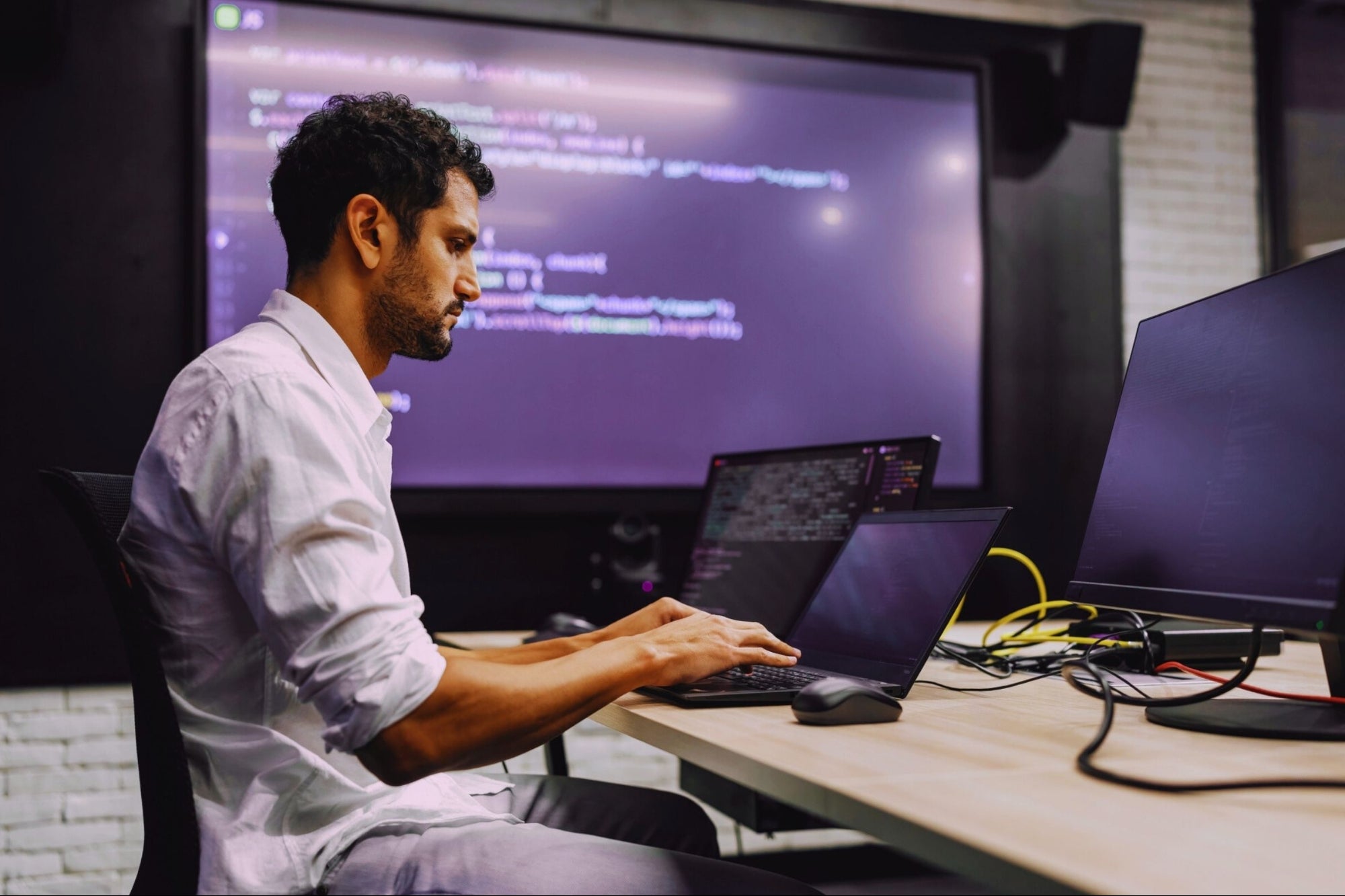
The once-aspirational dream of the single-person firm achieving massive scale is now the reality of the Solopreneur Empire—highly specialized, enormously profitable businesses run entirely by one entrepreneur. This model is not just about lifestyle; it represents a profound challenge to traditional small-to-medium enterprise (SME) structures, demonstrating that Solopreneur Scaling 2026 can bypass the costs, complexities, and friction of managing a large human team.
The Foundation: AI Automation Tools for Business as the "Invisible Team"
The engine powering the Solopreneur Scaling 2026 trend is the ubiquity and sophistication of AI Automation Tools for Business. Unlike previous generations of software that only handled simple data entry or scheduling, the current suite of tools can manage complex, multi-step, cognitive tasks, effectively acting as an "Invisible Team" of highly capable digital employees.
This technological leverage allows the single entrepreneur to maintain control over core strategy and vision while automating the operational and execution burdens that once necessitated human hiring:
-
Marketing & Content: Generative AI platforms now create and test entire ad campaigns, write targeted email sequences, and manage multi-platform social media calendars. The entrepreneur provides the initial strategic prompt; the AI handles distribution, optimization, and reporting.
-
Customer Relationship Management (CRM): Advanced conversational AI agents handle up to 95% of customer service inquiries, escalating only high-value or highly complex issues. They manage onboarding, collect feedback, and even proactively re-engage dormant customers, fulfilling the role of a full-scale support department.
-
Operations & Finance: Tools integrate directly with banking and ERP systems to automate complex tasks like quarterly tax preparation, expense auditing, and sophisticated cash flow forecasting, traditionally requiring a dedicated bookkeeper or CFO.
By utilizing these AI Automation Tools for Business, the entrepreneur fundamentally breaks the link between revenue growth and overhead costs, achieving exponential scalability without the corresponding need for human resources management, payroll administration, or office infrastructure.
The Rise of Micro-SaaS Ventures and Niche Dominance
The most significant manifestation of the Solopreneur Empire is the explosion of Micro-SaaS Ventures. These ventures thrive on hyper-specialization, a strategy that plays directly into the strengths of the individual entrepreneurship skills.
Instead of competing against industry giants with broad, complex platforms, the successful solo entrepreneur identifies a single, painful, niche problem experienced by a highly specific professional audience (e.g., "AI-powered compliance checking for local breweries," or "Automated inventory reconciliation for vintage car restorers").
The model is highly attractive for several reasons:
-
High Profit Margin: Digital products carry near-zero marginal cost once developed.
-
Low Development Barrier: Using low-code/no-code platforms and AI development assistants, the entrepreneur can launch and iterate a Minimum Viable Product (MVP) in weeks, not months.
-
Predictable Revenue: Micro-SaaS Ventures rely on subscription revenue (ARR), providing the financial stability and predictability that is often missing from traditional service-based consultancies.
This focused approach allows the entrepreneur to become the world-class expert in a tiny niche, ensuring high customer loyalty and insulating the business from broader market competition, guaranteeing the resilience of the Future of Small Business.
The Lifestyle and Strategy of Remote Work Entrepreneurship
The concept of Remote Work Entrepreneurship has moved beyond simple work-from-home arrangements; it is now a core pillar of the Solopreneur Empire model.
The successful entrepreneur uses this freedom to optimize their environment for peak performance and strategic thinking, trading the constant distractions of office life for focused, deep work. This model also allows the solo entrepreneur to access specialized, high-skill talent fractionally and globally, without the commitment of hiring full-time staff.
-
Fractional Expertise: When a specific, non-core task arises (e.g., a complex legal review or a backend system overhaul), the entrepreneur hires an expert contractor for a limited duration, utilizing the global pool of talent without adding permanent payroll costs. This is the ultimate expression of Solopreneur Scaling 2026 flexibility.
-
Location Independence: By not being tied to a physical location, the entrepreneur can arbitrage living costs, maximize personal well-being, and structure their life around their work, rather than structuring their work around an office schedule—a defining characteristic of modern Remote Work Entrepreneurship.
The Future of Small Business is Lean and Aggressive
The trend suggests that the Future of Small Business will increasingly divide into two camps: ultra-lean, scalable Solopreneur Empires utilizing AI Automation Tools for Business, and large, traditional corporations. The traditional mid-sized business, burdened by middle management, legacy systems, and high fixed costs, will face immense pressure to compete with the speed and efficiency of the entrepreneur who operates with zero internal friction.
The story of the 2026 business world is not just about technology; it's about the strategic decision of the entrepreneur to leverage that technology to maintain sovereignty, drive profit, and build a powerful, scalable enterprise without sacrificing agility or freedom. The Solopreneur Empire proves that in the age of AI, less is truly more.
What's Your Reaction?
 Like
0
Like
0
 Dislike
0
Dislike
0
 Love
0
Love
0
 Funny
0
Funny
0
 Angry
0
Angry
0
 Sad
0
Sad
0
 Wow
0
Wow
0