








Guinea-Bissau Coup 2025: Military Seizes Power
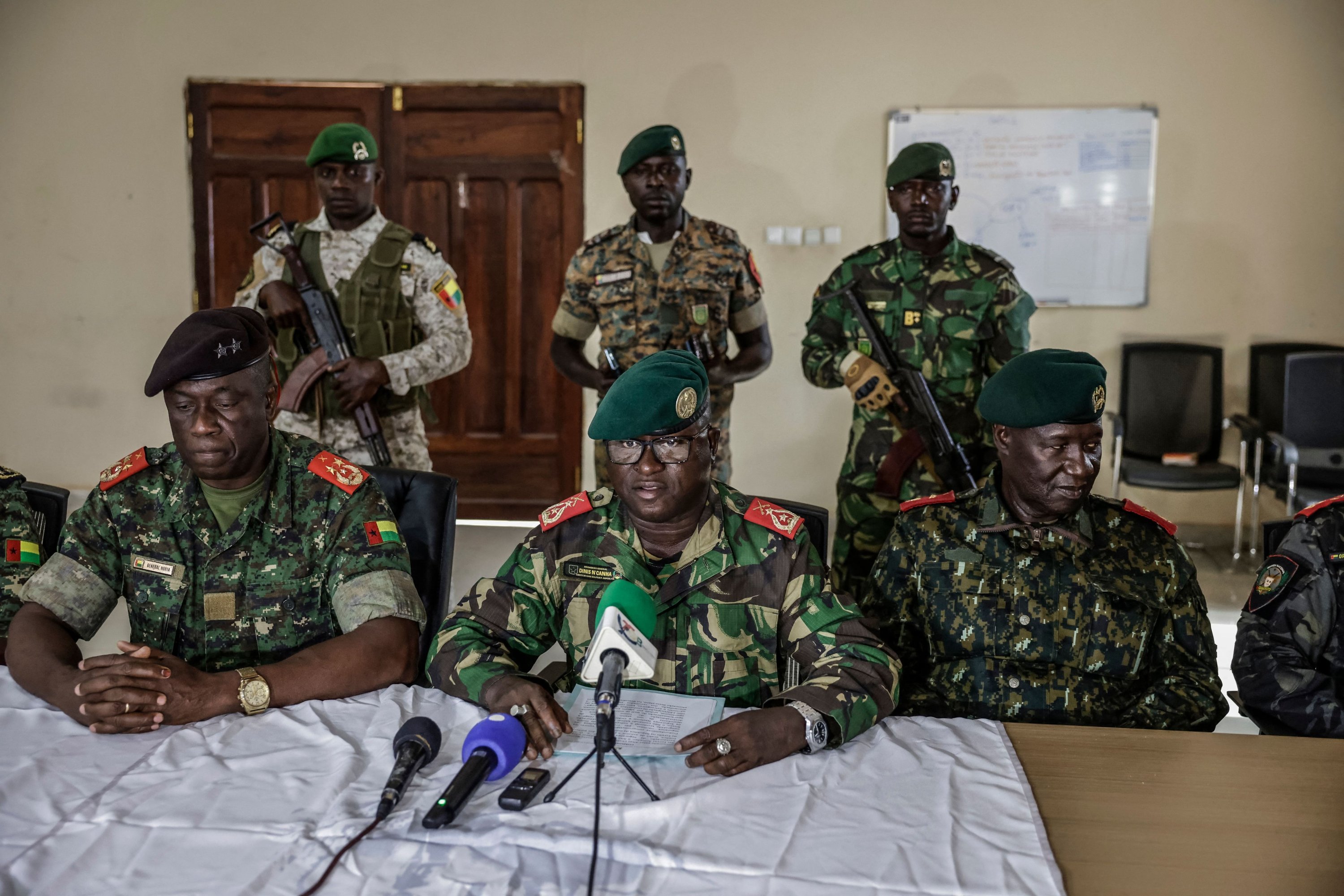
In a sudden and dramatic turn of events, soldiers in Guinea-Bissau have announced on state television that they have seized control of the government, just days after a highly contested national election. The military takeover, which follows reports of heavy gunfire near the presidential palace in the capital, Bissau, has plunged the already politically fragile West African nation into renewed crisis.
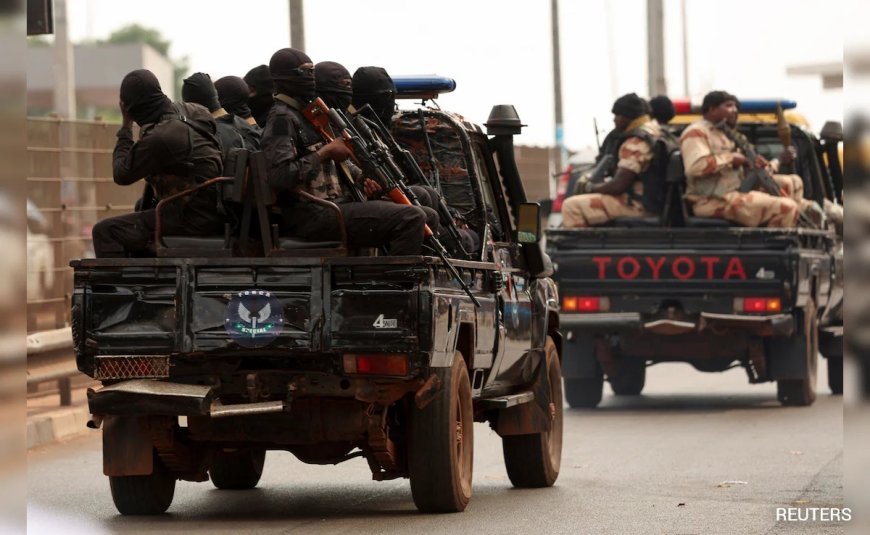
The Coup Unfolds: Gunshots and State TV Announcement
The crisis escalated dramatically following a day of intense tension. Gunshots were first reported around midday near the presidential palace and the National Electoral Commission (CNE) headquarters. Heavily armed soldiers quickly closed off roads in the area, creating a climate of fear and chaos in the capital.
Soon after, a group of military officers appeared on the state-run television channel, TGB. The spokesperson, Brigadier General Dinis Incanha, announced that they had formed the "High Military Command for the Restoration of National Security and Public Order" and had taken "total control" of the country.
The military command declared the immediate suspension of all republican institutions, including the parliament and the ongoing electoral process, and announced the closure of the country's borders. They also imposed a night-time curfew, urging the citizens to remain calm.
President Embaló Deposed and Arrested
Incumbent President Umaro Sissoco Embaló, who was seeking to become the first Bissau-Guinean president in three decades to win a second consecutive term, told French media he had been deposed and arrested by the military.
The coup comes only a day before the official provisional results of the November 23rd general elections were due to be announced. Both President Embaló and his main rival, Fernando Dias, had already claimed victory, fueling a volatile post-election environment.
Military Justification: Allegations of Electoral Manipulation and Drug Barons
In their televised statement, the military officers claimed their actions were necessary to thwart a destabilization plan orchestrated by "certain national politicians" with the participation of a "well-known drug lord" and foreign nationals. They alleged the scheme involved attempts to manipulate electoral results.
Guinea-Bissau, positioned between Senegal and Guinea, has long been infamous as a major transit hub for drug trafficking, particularly cocaine destined for Europe. This trade has often been linked to political corruption and military figures, contributing to the nation's deep-rooted instability.
A Troubled Political History
This latest episode is far from an isolated incident. Since gaining independence from Portugal in 1974, Guinea-Bissau has endured a long and turbulent history, suffering at least nine coups or attempted coups. The political landscape is marked by deep institutional weaknesses and ongoing power struggles between the political and military elites.
The international community, including the African Union and the West African regional bloc ECOWAS, has issued a statement expressing "deep concern" and called for the immediate release of the arrested political and electoral officials, appealing to all stakeholders to respect the rule of law. The future of the nation, and its democratic process, now hangs in the balance.

What's Your Reaction?
 Like
0
Like
0
 Dislike
0
Dislike
0
 Love
0
Love
0
 Funny
0
Funny
0
 Angry
0
Angry
0
 Sad
0
Sad
0
 Wow
0
Wow
0